Okavango Delta & Makgadikgadi Pans (Greater Kalahari)
2027
Overview

Includes
- Flights from Maun to camps (return)
- Helicopter transfer flight from Maun to the Okavango Delta
- All intercamp & airfield transfers
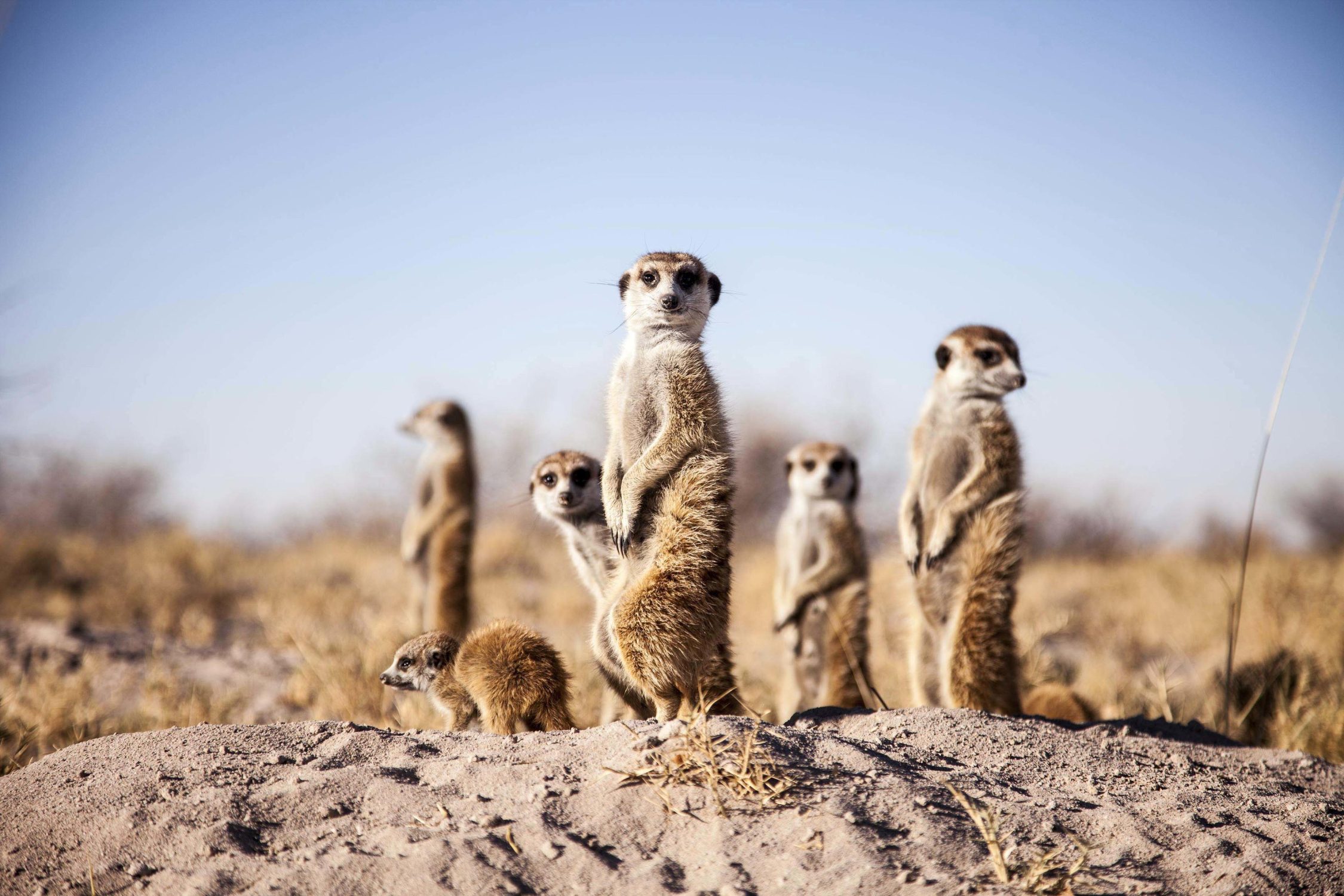
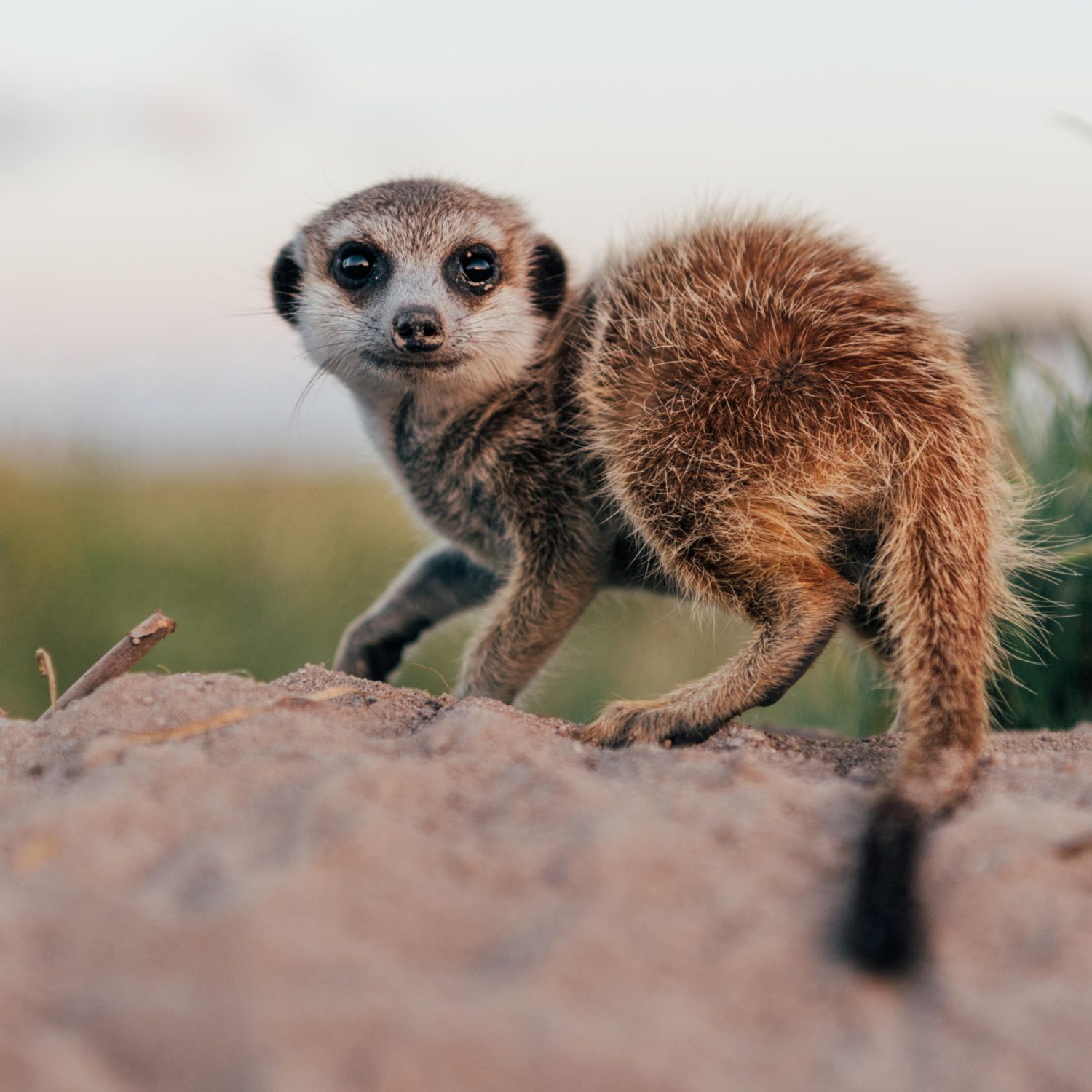
- Unique Meerkat experience at Camp Kalahari
- Sleepout in the salt pans at Camp Kalahari (weather permitting)
- All accommodation & meals at both camps
- All local beverages (local wines, spirits, beers, soft drinks, water, tea & coffee)
- 2 x guided activities daily
- Private vehicle throughout
- Professional photo guidance throughout
- Professional editing tuition
- All park fees & conservation levies
- Laundry
Excludes
- International flights
- Premium beverages
- Gratuities
- Travel insurance
- Visas & vaccinations
- Purchases of a personal nature
Highlights
- Low tourist numbers (private concessions / reserves)
- Two vastly different destinations, providing a wide array of species and a diverse photo portfolio
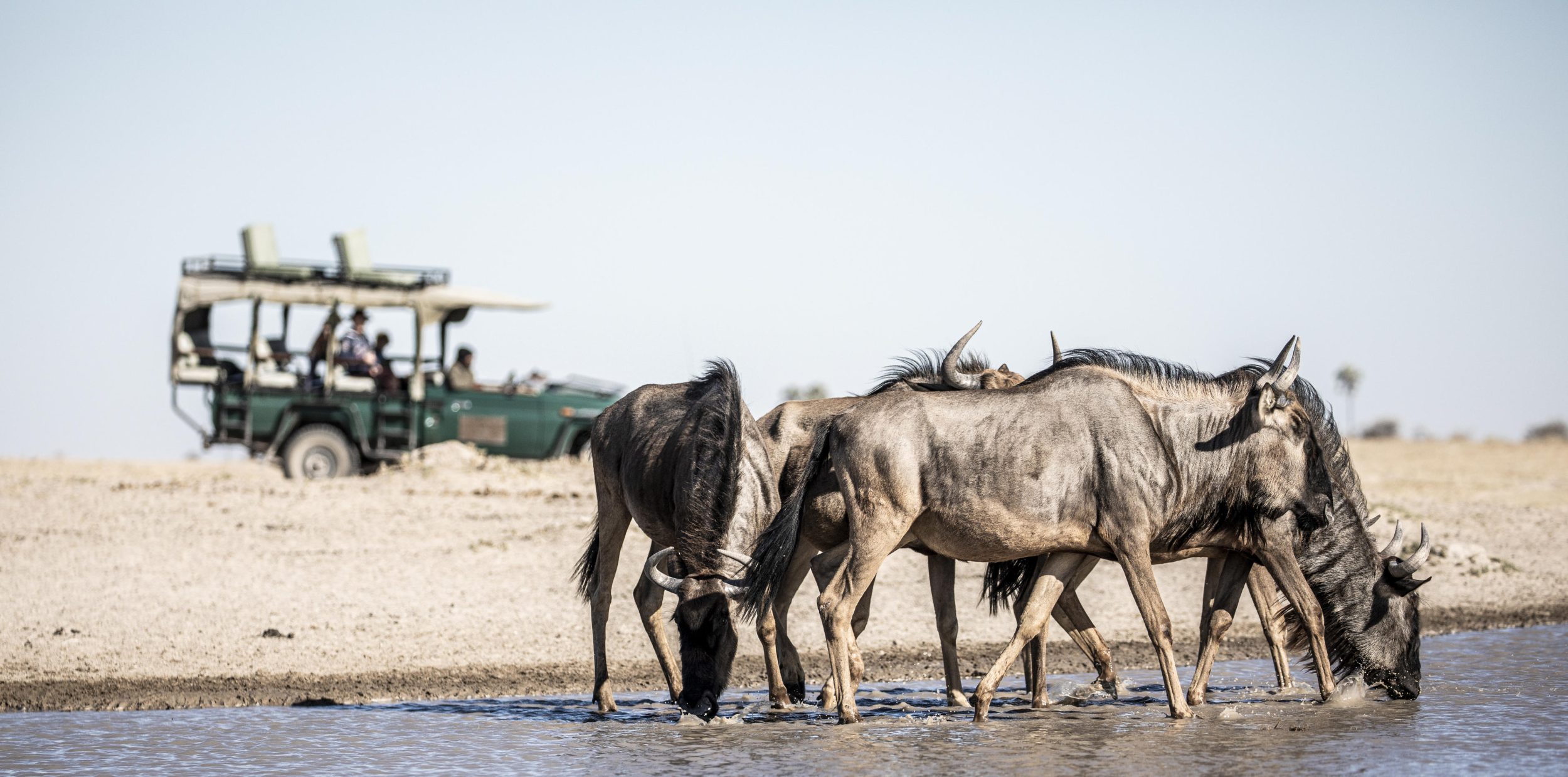
- Wildlife in Makgadikgadi Pans: Cheetah, Elephant, Oryx, Springbok, Meerkat (the best place to see them!), Zebra, with special species such as Kalahari lions, Bat-eared fox, Brown hyena, Aardwolf & Aardvark
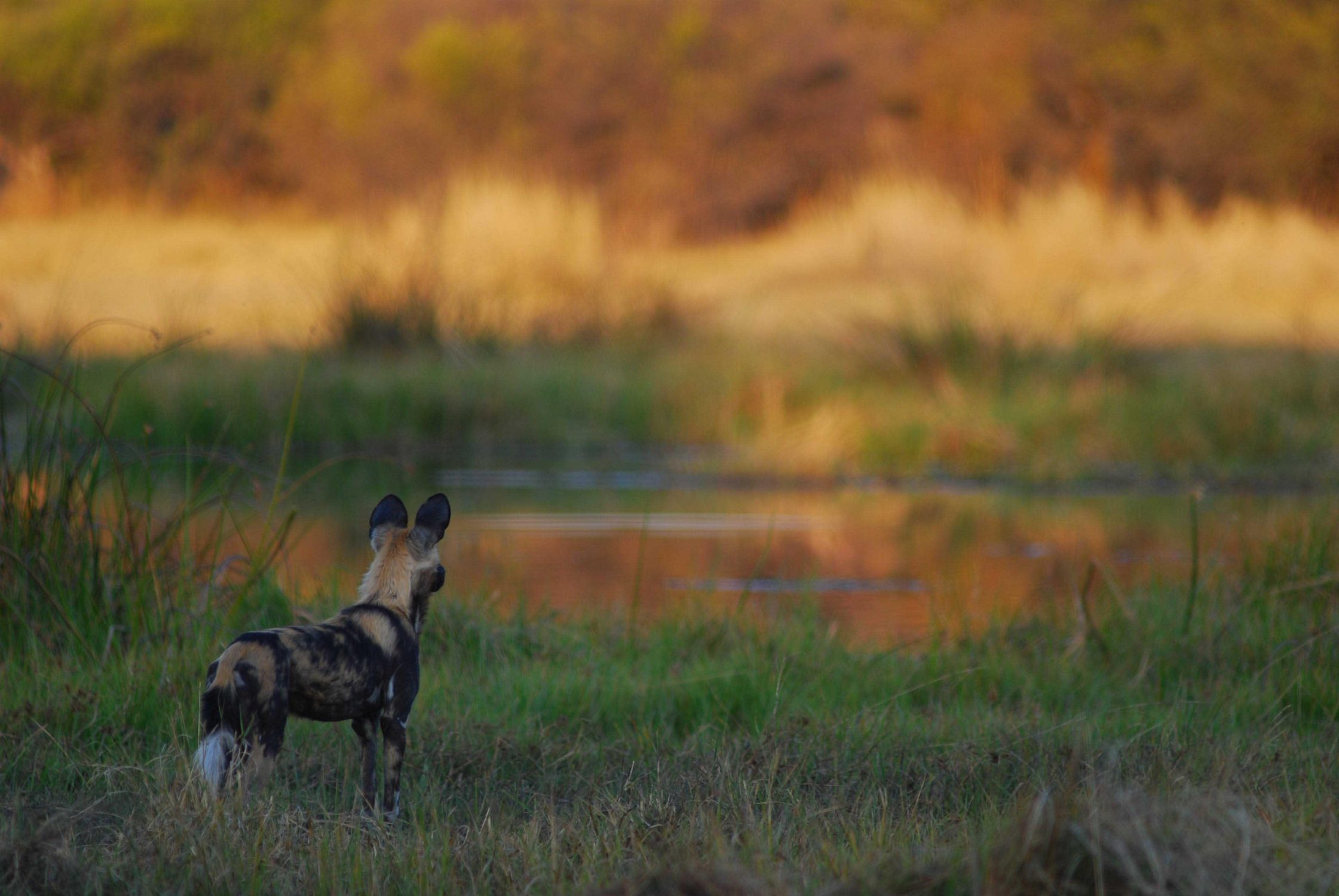
- Wildlife in the Okavango Delta: Leopards, Lions, Cheetah, African Wild Dogs, Side-striped and Black-backed jackal, African wild cats, Honey badgers, Meerkats, Hyena
- Potential star photography in the pans (moon phase dependent)
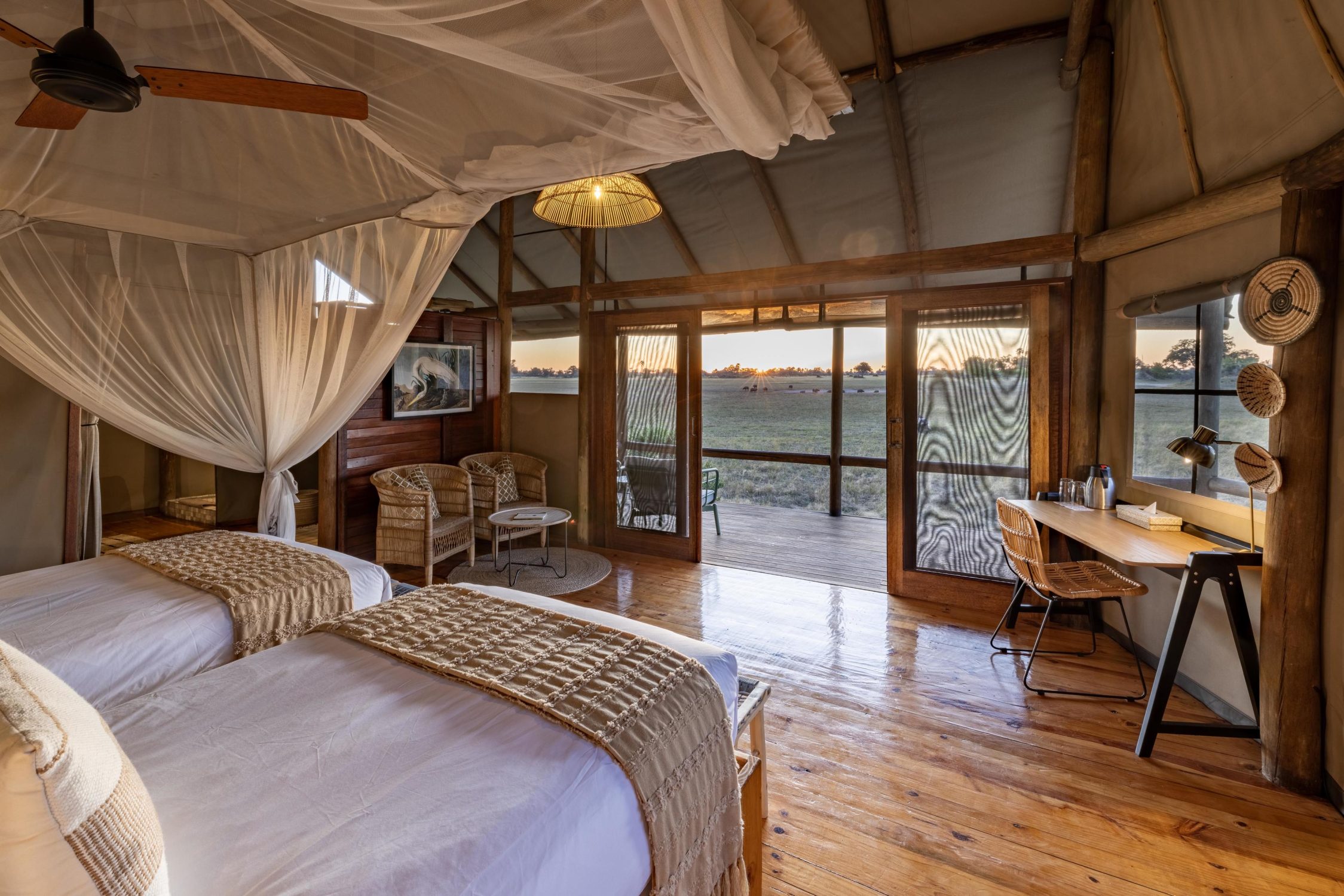
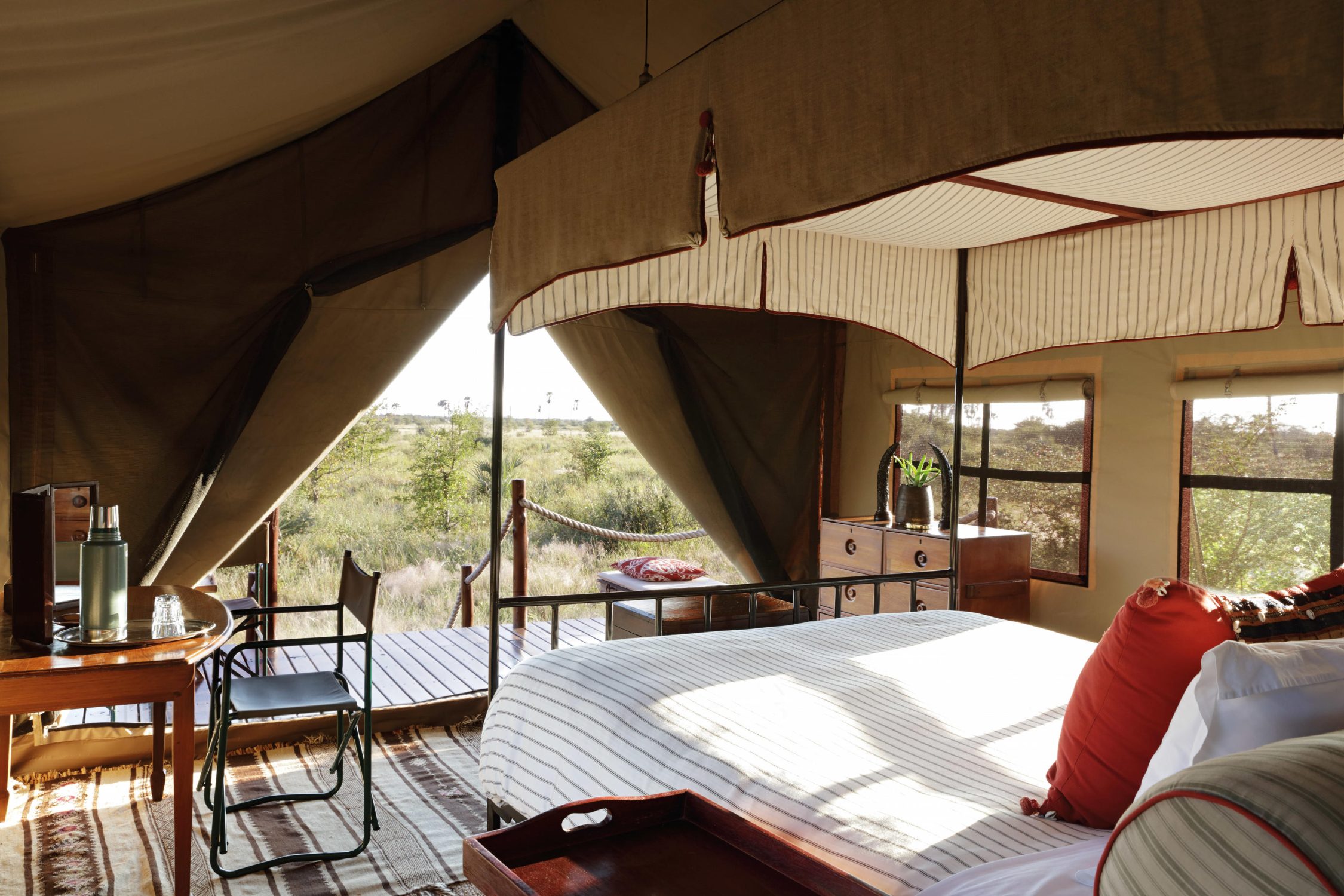
- Accommodations immersed in the wilderness - game drives start in camp!
- Small group - limited to 4 guests: quality time spent with each guest
- Unique optional experiences: Sleepout on Makgadikgadi Pans, mokorro (water-level dependent), Quad-bike across the salt pans, Bushman experience, helicopter scenic flight
About the Okavango Delta
The Okavango Delta is one of Africa’s most remarkable natural wonders and a UNESCO World Heritage Site, celebrated as the world’s largest intact inland delta. Unlike most river systems, its waters never reach the sea, instead spilling into the Kalahari and creating a constantly shifting mosaic of channels, islands and floodplains that sustain extraordinary biodiversity. With vast protected areas and a strong emphasis on low-impact tourism, much of the Delta remains blissfully uncrowded, offering a rare sense of exclusivity. For photographers, the interplay of open plains, mirror-like waterways, dramatic light and intimate wildlife encounters makes the Okavango an endlessly compelling safari destination.
There are parts of the Okavango Delta that still feel wonderfully wild and unspoilt, and the Xudum Concession is one of them. Remote and privately managed, this area is known for its outstanding predator activity and real sense of space. It’s home to one of the highest recorded leopard densities in Africa, which means sightings here are often natural, unhurried and deeply rewarding. It’s no surprise that renowned wildlife filmmaker Brad Bestelink chose to base himself in Xudum for several years, drawn by the sheer density of predators and the raw, unscripted moments that unfold here. His time in the concession resulted in a powerful wildlife documentary that went on to receive five Emmy nominations in 2025, shining a spotlight on just how special this corner of the Delta really is.
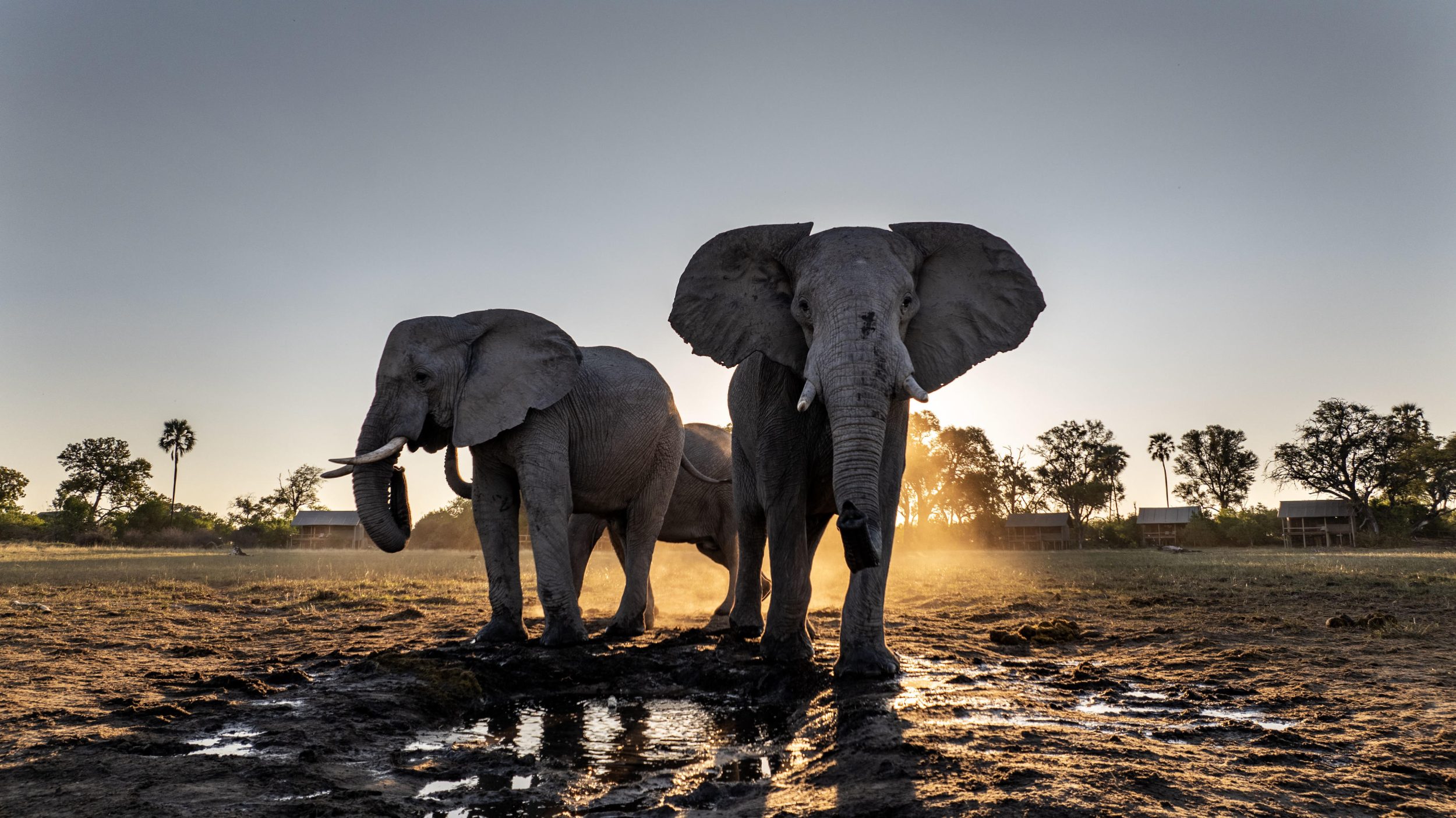
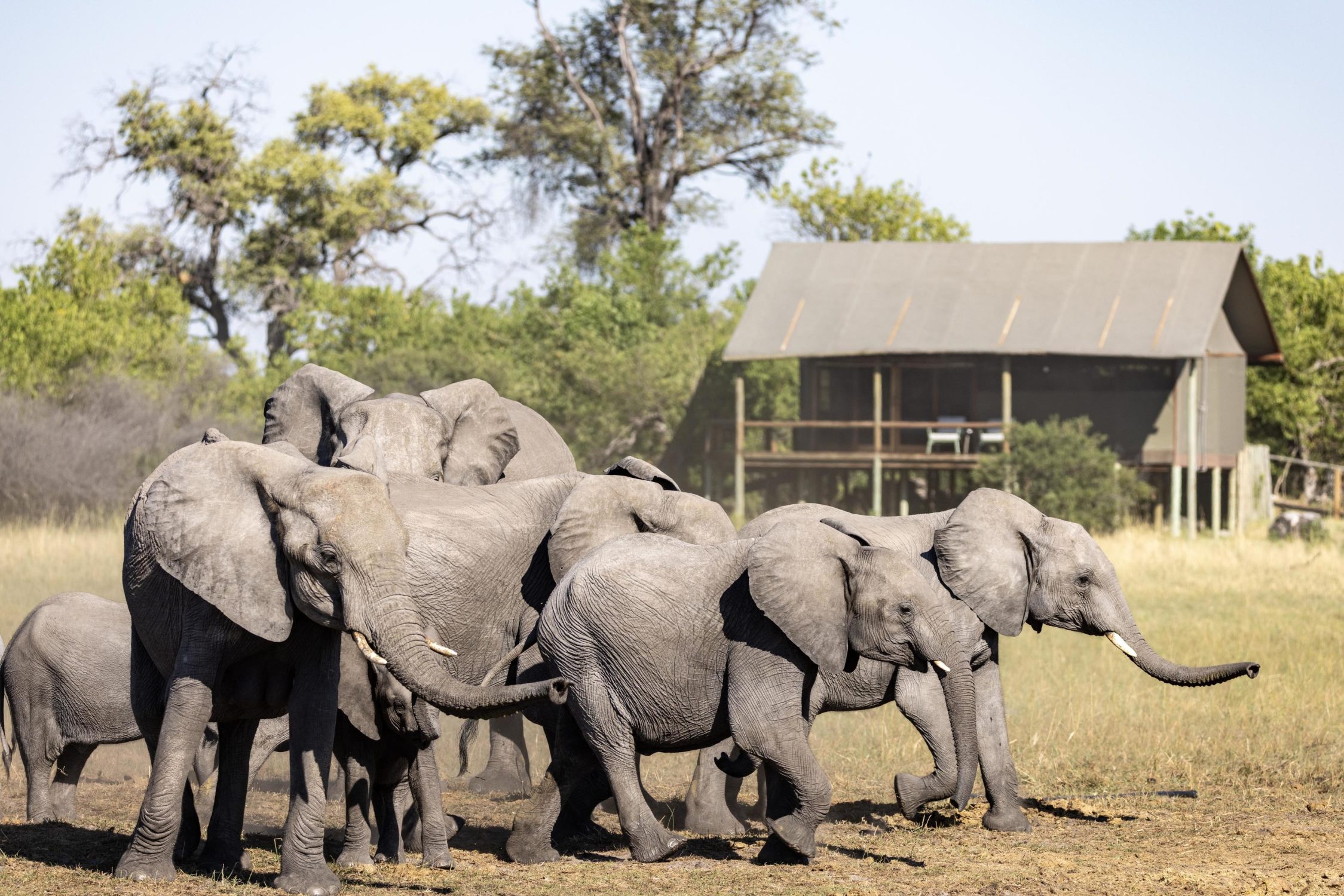
The camp is ideally positioned to make the most of this diverse landscape. Game drives regularly reveal intimate moments with lions and leopards, while mokoro and boat excursions offer a slower, quieter way to experience the Delta from the water. Drifting past elephants at water level, observing African Wild Dogs on the hunt, or following a leopard through riverine woodland are the kinds of experiences that define a stay here. Combined with the camp’s relaxed atmosphere and warm hospitality, the safari experience feels immersive without ever feeling rushed or staged.
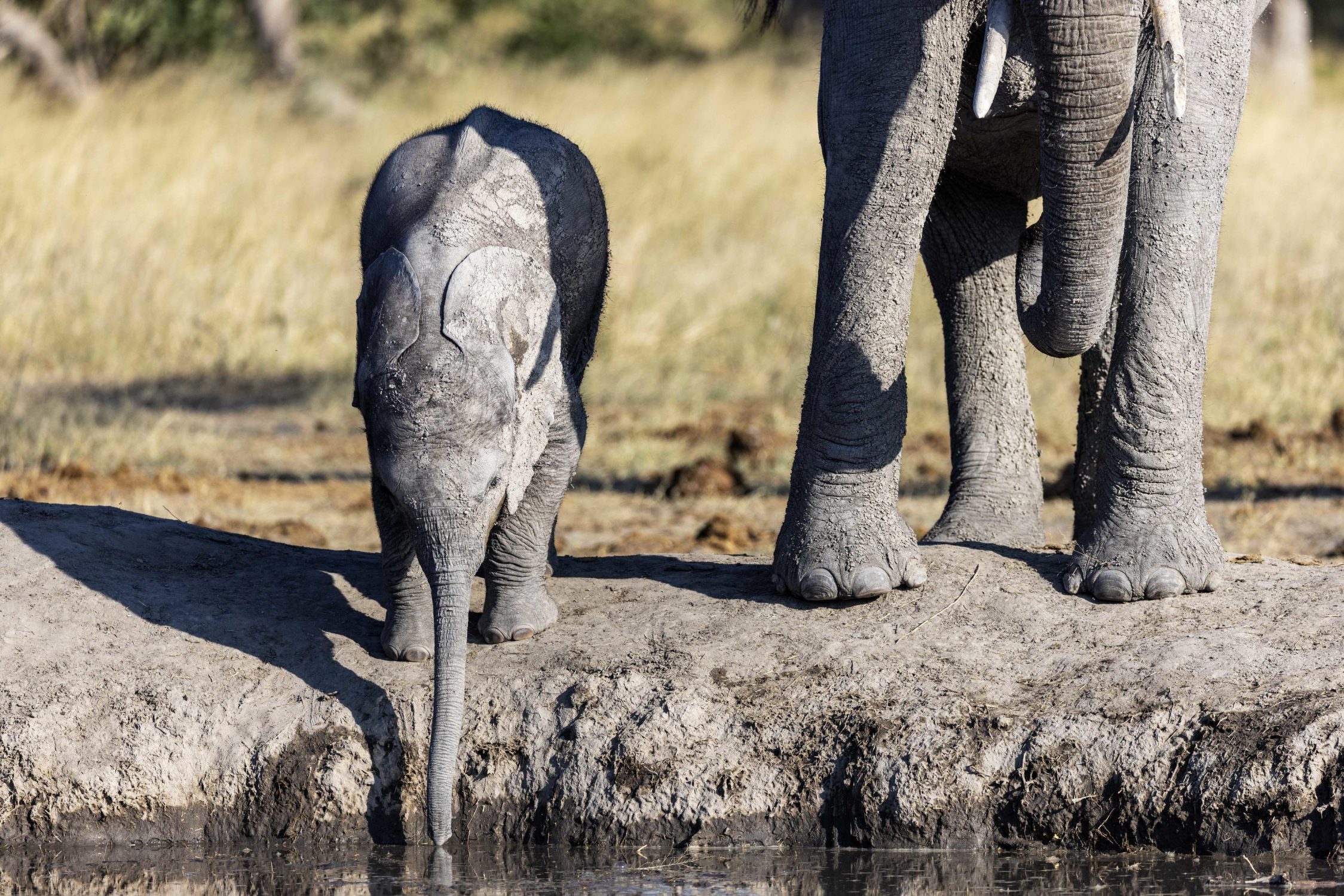
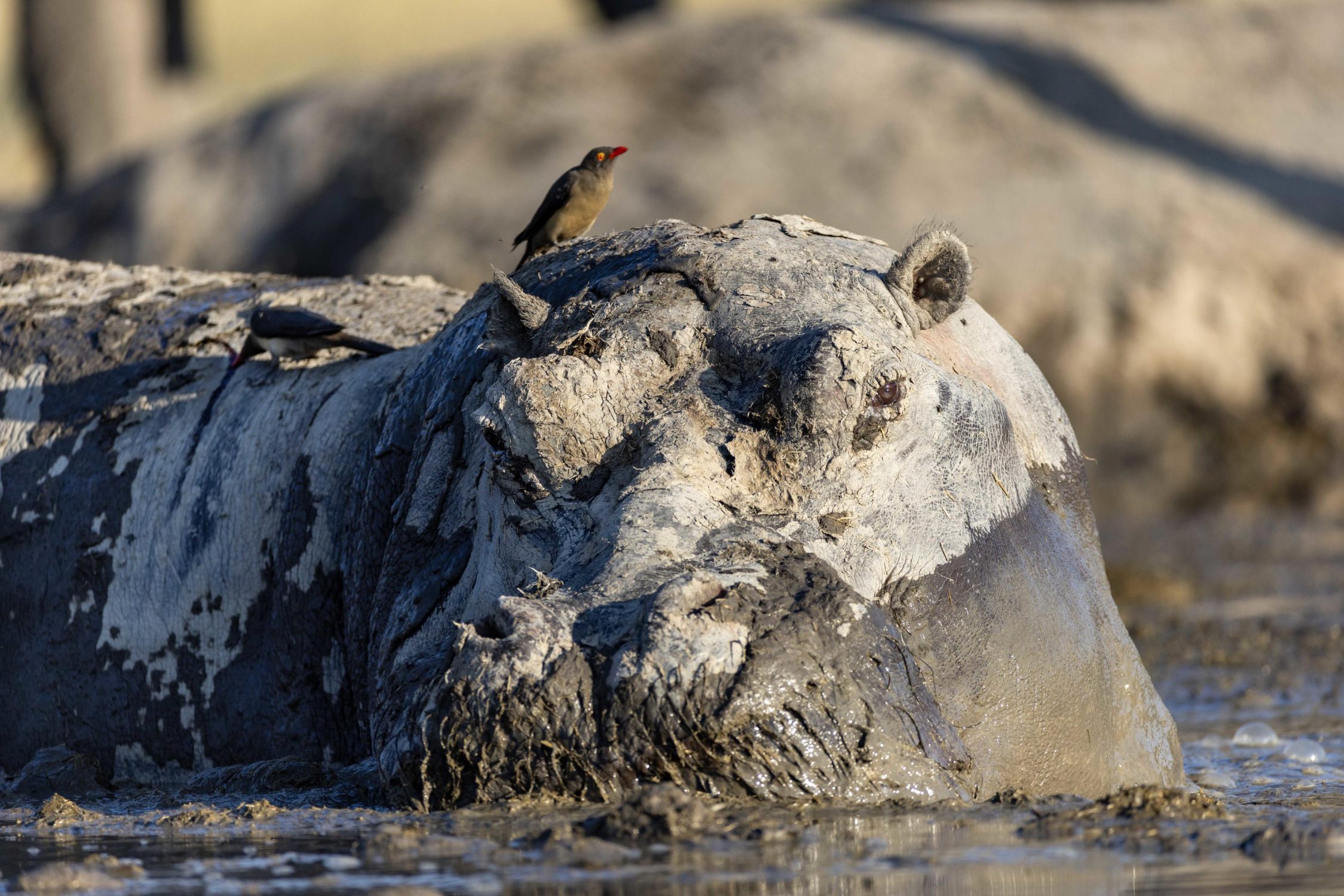
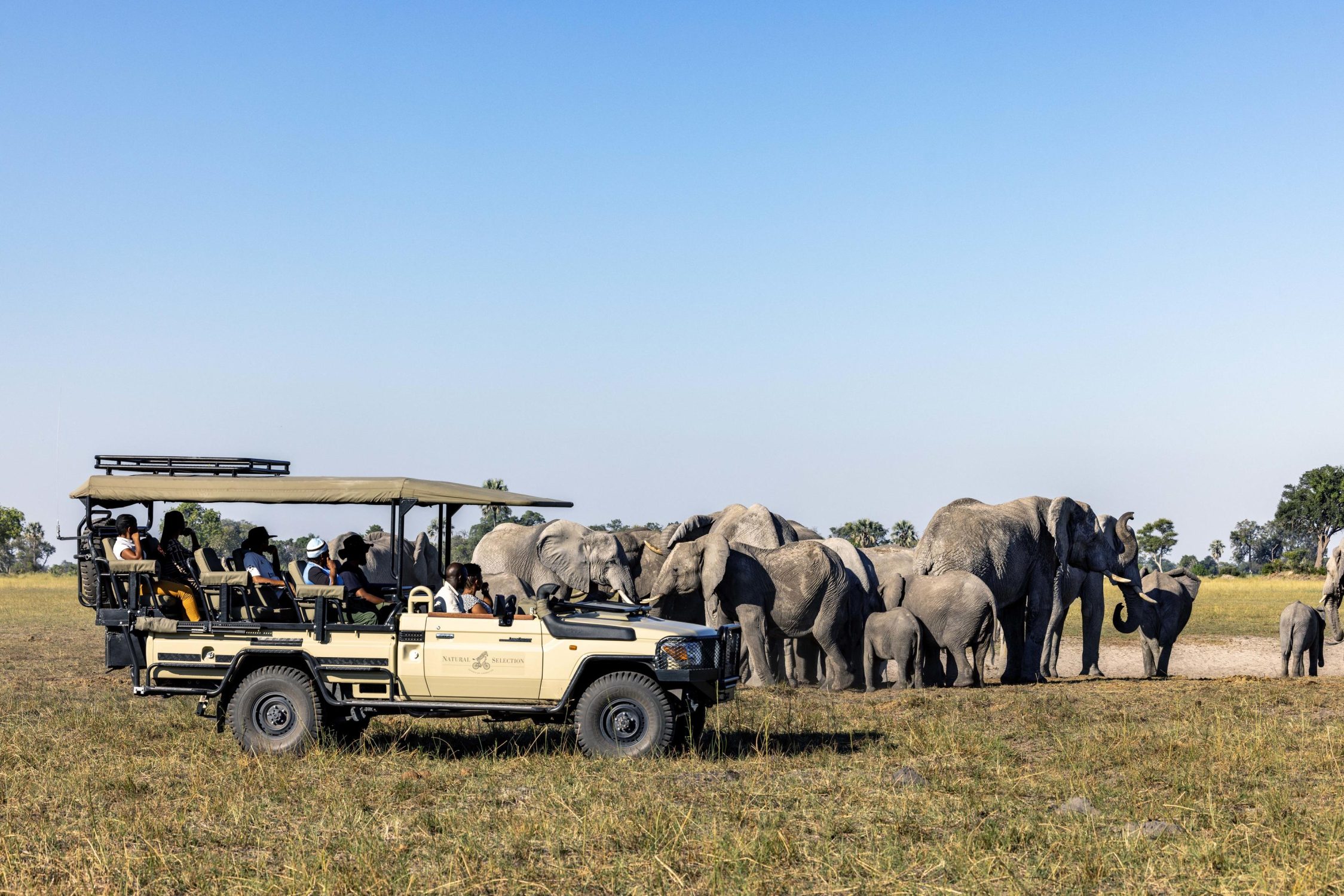
Beyond the big cats, the Xudum Concession is alive with a rich variety of other wildlife. Large elephant herds move through the floodplains and woodlands, while buffalo, red lechwe, kudu and zebra are regularly seen. Giraffe and tsessebe add elegance to the open areas, and hippo fill the permanent waterways that criss-cross the concession. Birdlife is another quiet highlight, with fish eagles calling overhead and flashes of colour from bee-eaters and kingfishers along the channels. Even between predator sightings, there is always something happening, giving every day a wonderful sense of depth and discovery.
About the Makgadikgadi Pans
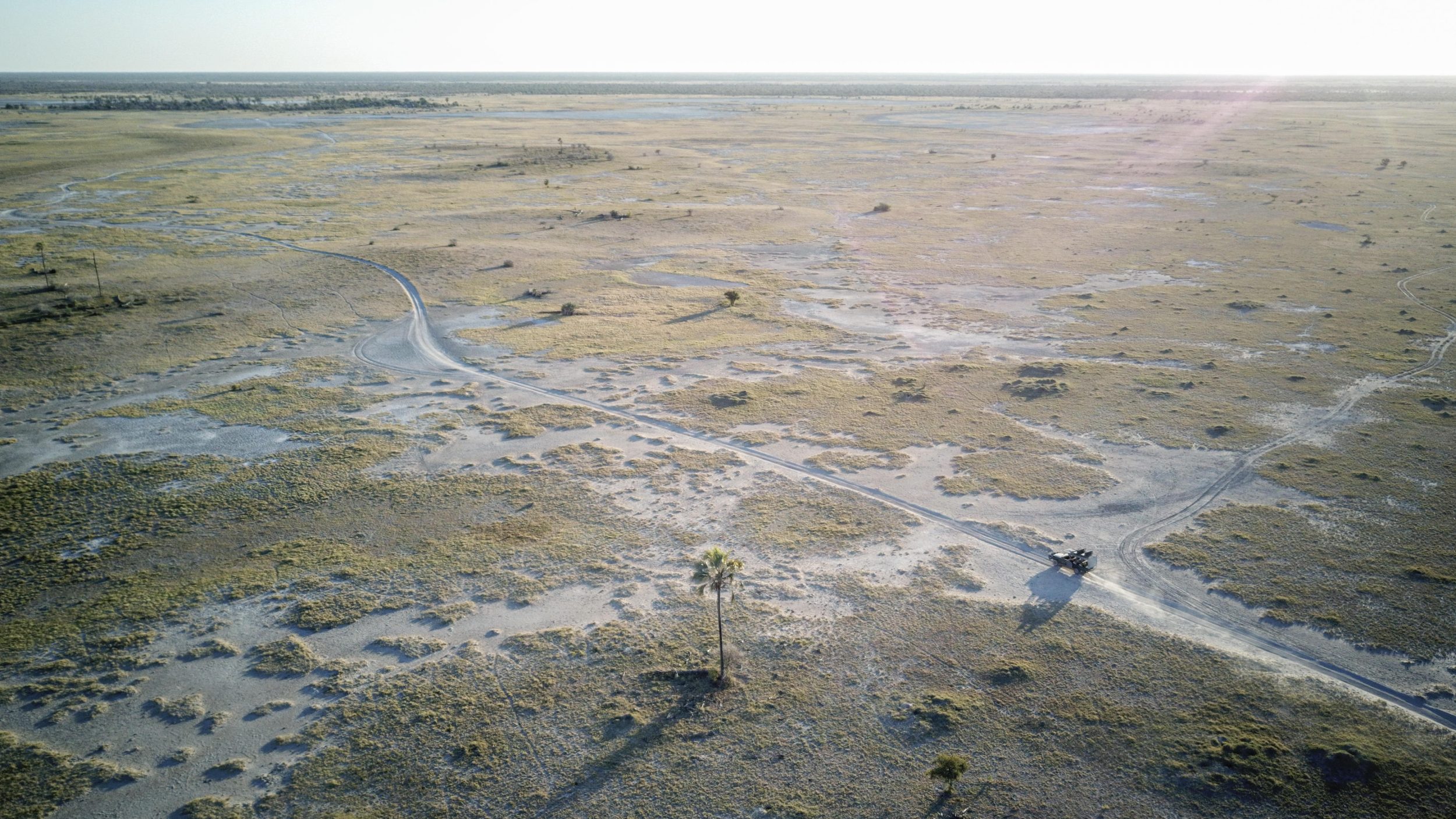
The Makgadikgadi Pans form one of Africa’s most surreal and captivating landscapes, a vast expanse of ancient salt pans stretching to the horizon on the edge of the Kalahari. Once part of a prehistoric super-lake, this seemingly empty wilderness is alive with specialised wildlife perfectly adapted to its stark conditions. Dark, star-studded skies, open spaces and a profound sense of solitude define the experience here, making it a place that feels refreshingly different from the classic safari image. The scale and silence of the pans create exceptional photographic opportunities, particularly in the soft winter light and dramatic sunsets.
Set within a private concession on the fringe of the pans, Camp Kalahari offers an intimate and immersive way to explore this unique environment. The focus here is on experience rather than ticking off species, with game drives, walking safaris and time spent with habituated meerkats revealing the character of the desert in a deeply personal way. Wildlife encounters are often subtle and fascinating, from brown hyena and bat-eared fox to oryx, springbok and the occasional lion moving through the area. Night drives add another layer of intrigue, with the chance of encountering elusive nocturnal species such as aardvark. Combined with the camp’s relaxed atmosphere, warm hospitality and strong guiding, Camp Kalahari delivers a safari that feels authentic, quietly adventurous and utterly unforgettable.